Wild Call of Vermont Lakes

Call

Overview

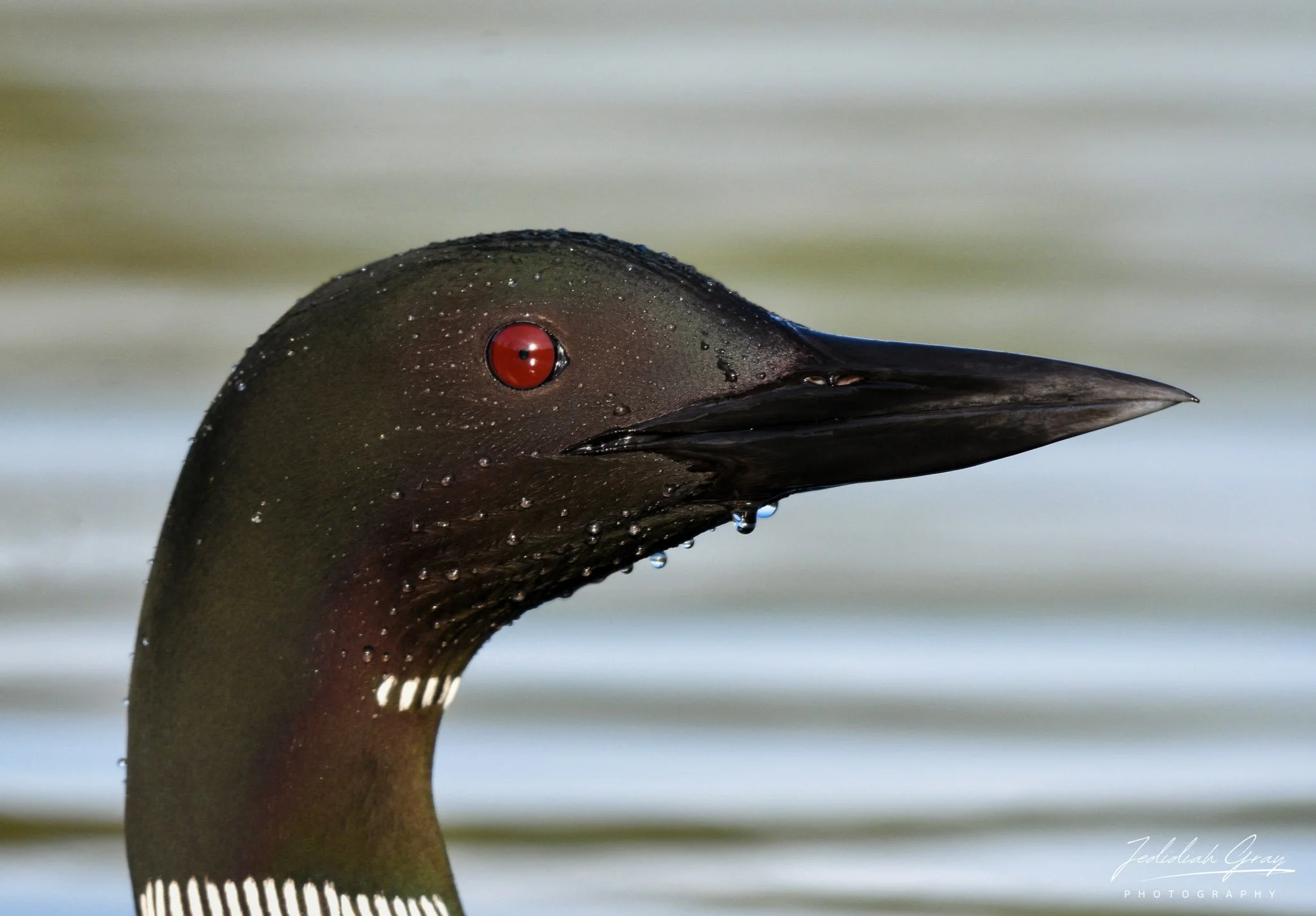
The wailing call of the loon at night is often considered a symbol of untamed wilderness. These birds are made for life on the water. Loons have unusual legs set very far back on their body which makes it impossible for them to walk on land, but makes them excellent swimmers. They can dive up to 200 feet underwater in search of fish, and require large, quiet bodies of waters to breed. Because of their unusual feet, they require a "runway" to be able to take flight. They need up to a 1/4 mile long area where they can run across the water until they reach speeds of 60-70mph before they can fly.

Conservation

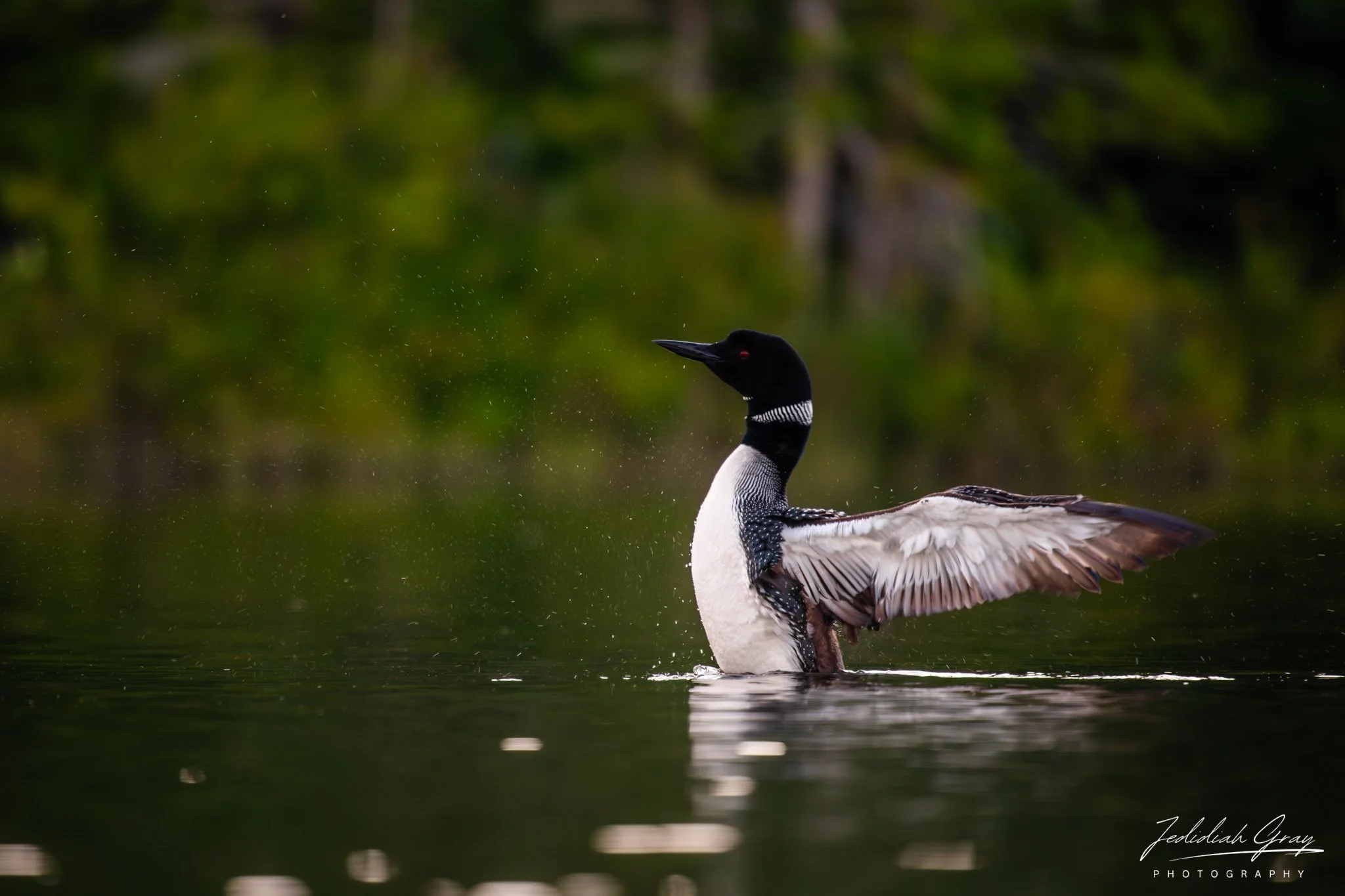
Common Loon conservation in Vermont is a major success story. Their population increased from only seven breeding pairs in 1978 to more than 120 today. However, they are still a species of concern as they are very sensitive to human disturbance. They require quiet, undisturbed and deep, clear lakes and ponds where they build their nests on the shoreline (or artificial rafts built for them). Even when they find suitable habitat, changing water levels from intense weather or passing boats can quickly destroy their nests. 
Previous
Previous

Flute Voice of the Vermont Forest

Next
Next

Familiar Voice of Forests and Backyards